Describe what changed
Name the room or slope and when you first noticed the concern. Those details help locate the starting point.

Cleburne, TX
Shingles came off, or a stain spread on the ceiling. You want the repair, and proof the roof needs one.
Repair or replacement
A lifted shingle or a split pipe boot can need repair while the surrounding roof stays sound. Age alone cannot settle that question, and a young covering can still have installation faults or storm damage.
Our roofer can inspect the affected area and the parts around it. The useful answer identifies the failure and explains whether a local repair addresses the cause.
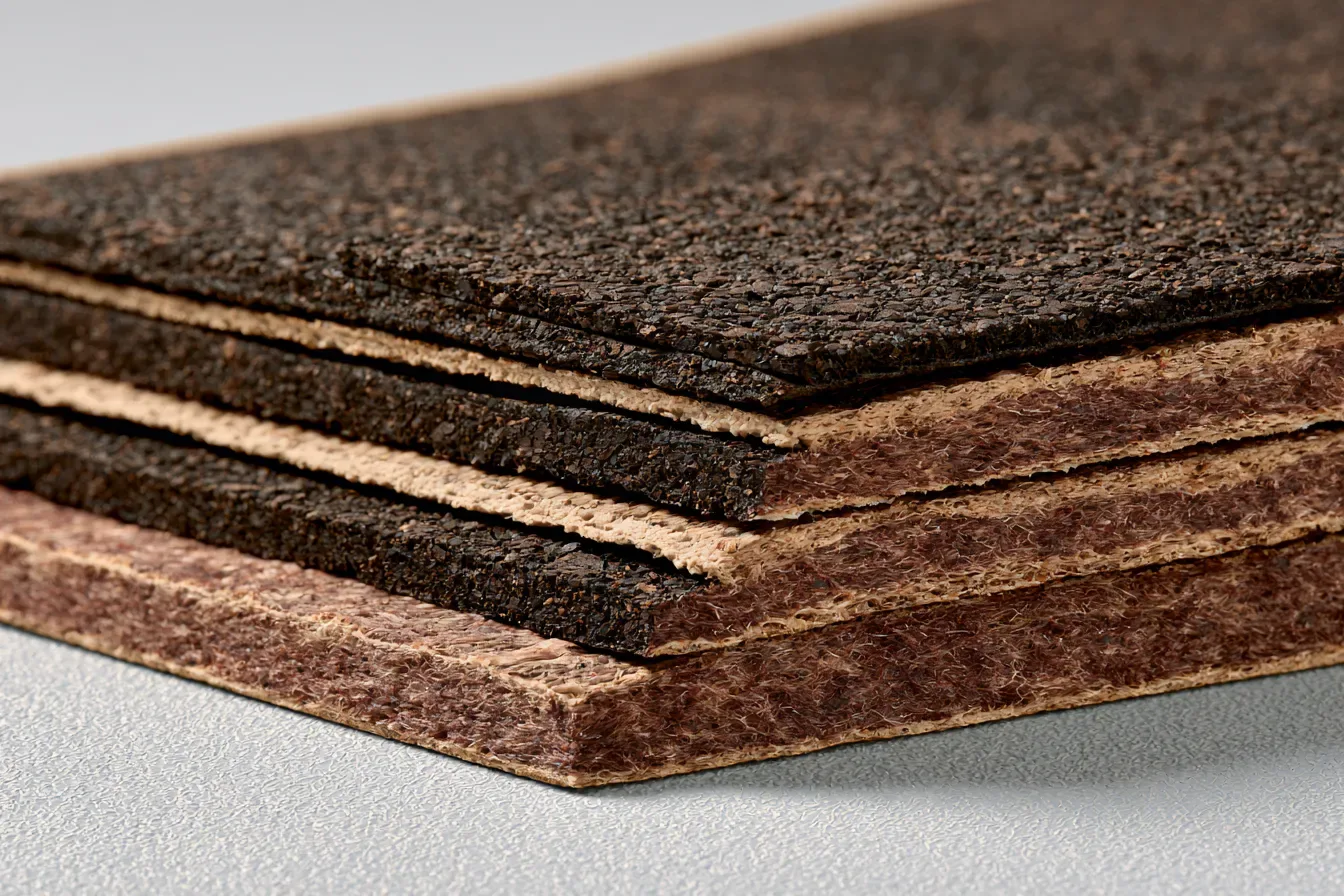
A roof fails one part at a time, and a repair is only as good as the list of parts somebody put eyes on. Here's what that list covers, and what each part looks like when it's the one that's wrong.
Lifted or cracked shingles and loose fasteners can expose the underlying layers. Replacing individual shingles may be practical where surrounding material remains sound; fading and discontinued products can limit the match.
Metal that has pulled away, rusted through, or was sealed with caulk instead of being installed properly. This is one of the places a roof leaks while the shingles above it still look fine from the yard.
A split collar around a plumbing vent can admit water while the shingles remain intact. Its replacement needs to integrate with the surrounding courses.
A new shingle does not solve damaged sheathing underneath it. If decking is involved, the proposal should state how concealed damage will be priced and approved.
The caps along a hip or ridge protect roof intersections. Missing or damaged caps may need local work if the surrounding assembly remains sound.
Repeated wetting behind an edge can damage fascia or nearby decking. The roofer needs to examine the water path and the soundness of the backing before covering it again.
Two jobs sit next door to this one. An interior leak nobody can locate needs its own visit and its own method, and that's roof leak repair. Writing damage up for an insurance claim is a third thing again, and storm and hail damage covers it.
Order of operations
The inspection begins with the concern and the possible entry points. Once the finding is clear, the scope can explain the parts that need work and what remains in place.
Name the room or slope and when you first noticed the concern. Those details help locate the starting point.
The roofer checks the covering and nearby flashing, boots and accessible underlying areas. The ceiling stain may sit below a different entry point.
A useful explanation connects the failed part to the symptom. Ask what can be seen and what will remain concealed until work starts.
Flashing and boots must integrate with the surrounding roofing layers. Access, product availability and weather affect how the repair is carried out.
The scope should state the area repaired and any coverage offered. Repairing one penetration does not establish the condition of every other part of the roof.
These observations do not prove the whole roof needs replacement. They help explain why a roof inspection is useful.
A change in the amount of granules collecting below the roof is worth describing. It does not diagnose the covering by itself.
A mark that returns after rain needs its water path investigated, even if an earlier patch stopped it for a while.
If you can safely see an opening from inside the attic, tell the roofer where it is. Ventilation openings and roof defects are different things.
Visible nail heads or displaced covering need a closer assessment of the fastening and surrounding material.
Lifted, missing or out-of-line shingles can expose layers that were meant to remain covered.
Keep people and pets away from a bulging or sagging ceiling. Report that condition when requesting help.
Keep clear of a sagging ceiling or water near electrical fixtures. From a safe location, report where water is entering and ask about temporary protection. Leak repair explains the tracing work.
Repair pricing
Repairs are priced by the work required, not simply by roof area. A pipe collar, a rebuilt chimney detail and a damaged section of decking involve different labor and material.
When several faults affect a brittle covering, compare the price and expected limits of repairs with a replacement. No fixed percentage of damage or replacement cost answers that for every roof.
A single failed detail can be a reasonable repair when the surrounding system remains serviceable.
Separate leaks or repeated failures need a wider assessment. The next patch should address a known cause.
Ask how decking or flashing conditions found during the repair can change the scope.
A replacement proposal is useful only when it describes the roof assembly and work that the repair would leave untouched.
Season by season
The next rainfall can expose an unresolved entry point again. You do not need a seasonal forecast to decide that a recurring stain deserves attention.
Report active leakage and any safety concern when asking for help.
Explain whether the mark returns during rain and whether earlier repairs addressed it.
A storm date is useful context when known. The physical condition still needs examination.
For the distinction between weather records and actual roof damage, read the storm guide.
The failed part, surrounding condition and repair history matter together. A local fault in a sound covering can suit a repair. Widespread brittleness or repeated failures may make a replacement worth comparing. Ask the roofer to explain that connection rather than rely on a percentage cutoff.
Weathering and product changes can make an exact match difficult. Ask to see the proposed product against the existing slope and discuss where the repair will be visible.
Exterior work may not need entry, but attic access or an interior leak can. Set the access arrangement with the contractor before the appointment.
Yes. Ask for a scope and price you can compare, including exclusions and any validity period. Requesting a free inspection does not commit you to the repair.
Yes. The house’s age does not date the current roof or establish damaged decking. The condition of the affected parts decides the work. Roof age and insurance discusses the separate policy question.
Cleburne Select Roofing
Tell us the slope or room involved and roughly when the problem started. Our roofer can inspect the roof and discuss the repair it needs.
(817) 774-9404