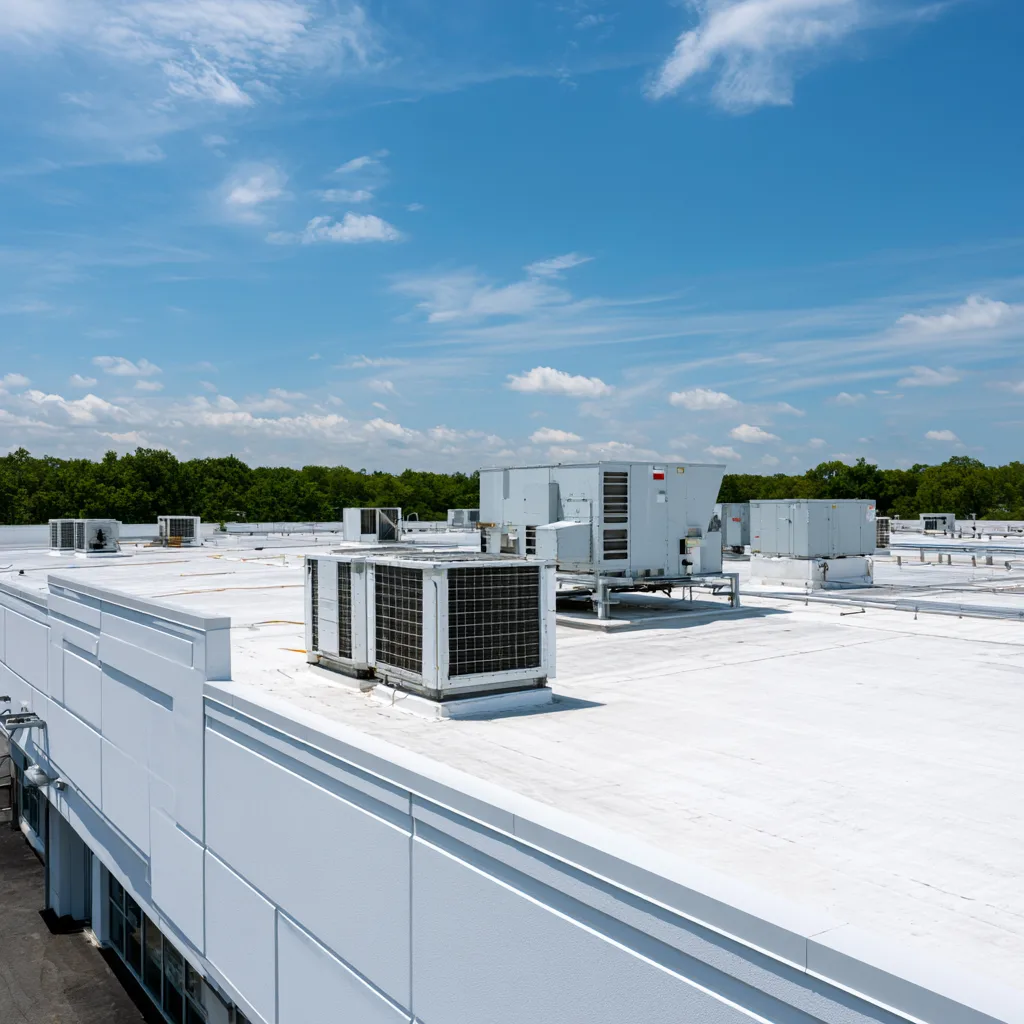
Rows of HVAC units across a large white commercial roof

Cleburne, TX

Commercial Roof Systems in Cleburne, TX

Low-slope roofs depend on drainage, seams and transitions as well as the membrane. Choose the system as an assembly.

Cleburne Select Roofing's roofer walks the deck

Start with the property and the roofing help you need.

Low-slope, plainly

A low-slope roof has to move water to an outlet

Water drains more slowly from a shallow roof than a steep one. The slope, outlets and transitions at equipment curbs matter alongside the covering.

A stain at one ceiling tile can begin farther away. Our roofer can inspect the system and help determine whether the fault is contained or part of a wider moisture or drainage problem.

TPO, EPDM, modified bitumen, metal, and coatings

These are the five you will meet on a low-slope deck, each with what it is picked for and where it gives trouble. None of them is the best one; the building decides. Who is buying, when the capital is there and how a bid gets built belong on commercial roofing.

Rows of HVAC units across a large white commercial roof

TPO

A thermoplastic membrane with heat-welded seams. Membrane thickness, reinforcement and detailing matter together; a thicker sheet alone does not establish the best assembly.

Seams
Heat welded
Decision
Thickness, attachment and compatible accessories
EPDM

A flexible rubber membrane using compatible adhesives, tapes or other manufacturer-specified seam details. Its upkeep includes the seams and transitions, not only the field.

Membrane
Synthetic rubber
Decision
Seam system and substrate compatibility

Modified bitumen

Reinforced asphalt sheets assembled in layers. Attachment can use approved heat, adhesive or self-adhered methods, with application requirements specific to the product.

Assembly
Layered reinforced asphalt
Decision
Attachment, exposure and traffic protection
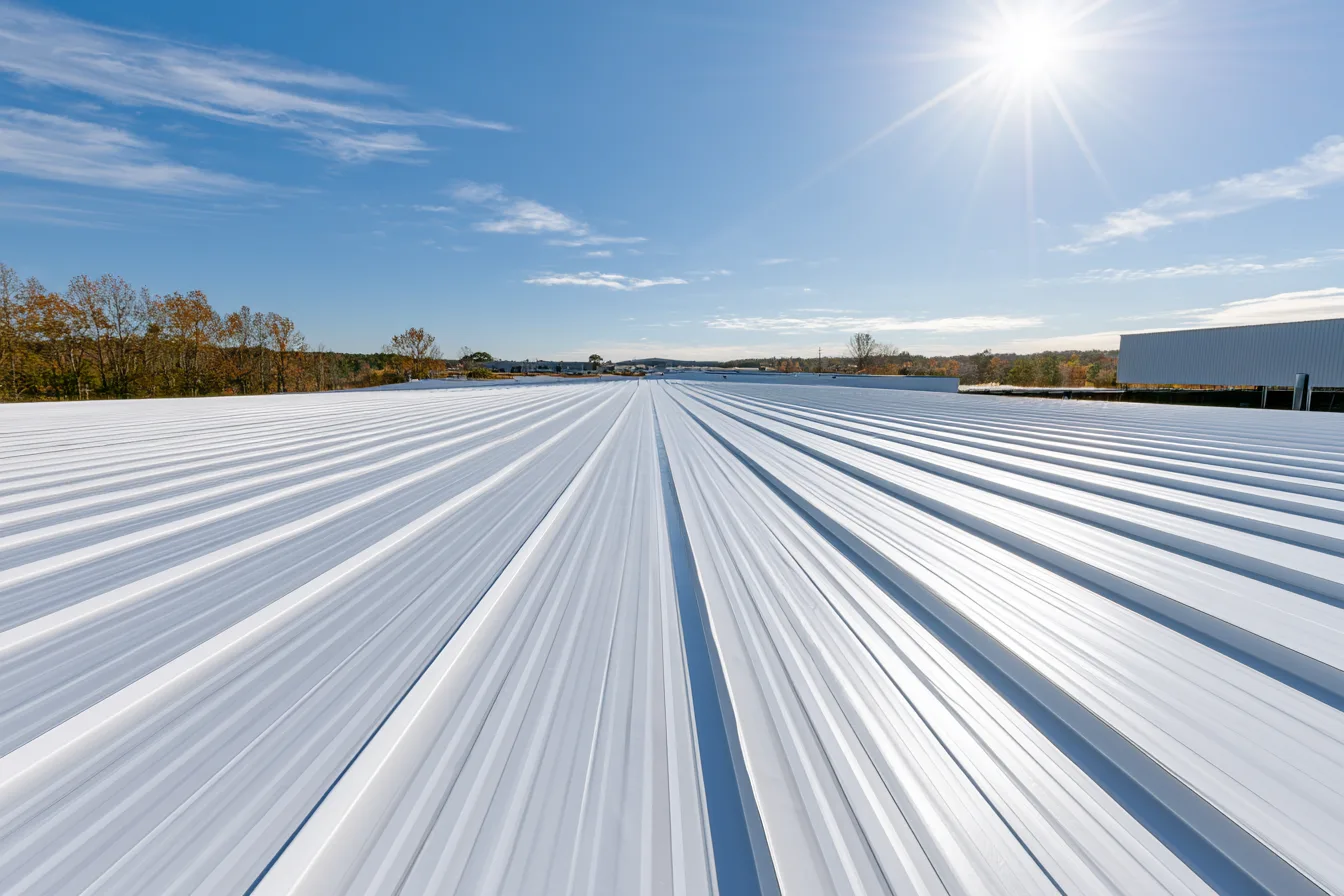
Flat commercial roof surface

Metal panels

Panel systems require slope and seam details appropriate to their rating. Building use, condensation control and thermal movement affect the specification.

Drainage
Product-specific minimum slope
Decision
Panel profile, support and movement

Coatings

A restoration option for a compatible existing system. Dryness, adhesion, drainage and repairs to failed details determine whether the roof is suitable.

Substrate
Assess condition and compatibility
Decision
Moisture, adhesion and maintenance cycle

A core sample shows one location. A moisture survey and other assessment can help define the extent of concealed problems; the testing scope must suit the roof.

How it goes down

Attachment is a separate system choice

Two proposals can name the same membrane but attach it differently. The deck, uplift requirements and approved assembly control the choice. Warranty terms can depend on using the specified components together.

Mechanically attached

Fasteners and plates connect the assembly to a suitable deck. Pattern and capacity must meet the selected assembly and project requirements.

Fully adhered

Adhesive bonds approved layers over a compatible surface. Temperature, moisture and preparation affect the installation.

Ballasted

Weight can secure eligible loose-laid assemblies. The structure, perimeter details and applicable requirements must support that approach.

Modified bitumen methods

Approved systems may use heat, cold adhesive or self-adhered sheets. Product instructions and site conditions govern fire precautions and application.

Low-slope roof conditions that need attention

Standing water, failed transitions and damaged surfaces are reasons for an assessment. Their cause and extent determine whether local repair is enough.

  • Drainage

    Persistent water in a low area or beside a blocked outlet calls for examining the drainage path.

  • Seams and edges

    Open laps, loose edge metal and failed terminations can expose the underlying assembly.

  • Surface and penetrations

    Punctures, blisters or faults around equipment curbs may involve more than the visible membrane.

How it prices

What is behind the square-foot rate

Membrane, insulation, attachment, removal and access all affect the rate. A lower figure may describe a different system rather than a lower price for identical work.

Compare what the proposal includes and what the existing roof assessment supports. An allowance for wet insulation or deck repair should explain how quantities and changes are handled.

See how a commercial bid gets built

Membrane

Membrane type, thickness and the tested assembly affect both specification and price. Thickness alone does not establish suitability.

Attachment

Attachment method. Fasteners, adhesive or ballast are three different labor bills.

Insulation

Insulation and its R-value. Adding insulation adds board, adds height at every edge and curb, and adds cost.

Removal

Tear-off volume. Whether the old roof comes off, and how many layers of it there are.

Access

Access and staging. How material gets up and debris gets down on a working building.

The perimeter needs an engineered attachment path

Wind acts on the roof assembly and its edges. The selected system’s requirements for perimeter attachment, terminations and deck connection belong in the specification.

Edge metal

The perimeter detail needs to connect the membrane and edge protection to the supporting assembly.

Terminations

Changes from horizontal to vertical surfaces need compatible flashing and secure attachment.

Fastening

Spacing and attachment should follow the approved assembly and project requirements, including higher-demand edge zones where specified.

What a Cleburne property manager should ask about a membrane

Which warranty covers a new membrane?

The offered documents may distinguish material, system and workmanship coverage. A no-dollar-limit program still has conditions, exclusions and a defined term. Verify the exact program and installer eligibility. The warranty guide explains the categories.

What does a core sample show?

It exposes the layers at the sampled location and can help assess their condition. It does not prove every part of the roof is dry. The investigation should use enough evidence for the decision being made.

Can wet insulation stay beneath a recover?

Moisture and deterioration must be assessed before a recover is proposed. Wet areas may need removal and repair, and the remaining roof must meet the selected system and code requirements.

How will this roof be repaired later?

Ask about compatible materials, access to seams and the details likely to require maintenance. TPO, EPDM, modified bitumen, panels and coatings each use their own approved repair methods. That serviceability is part of choosing the system.

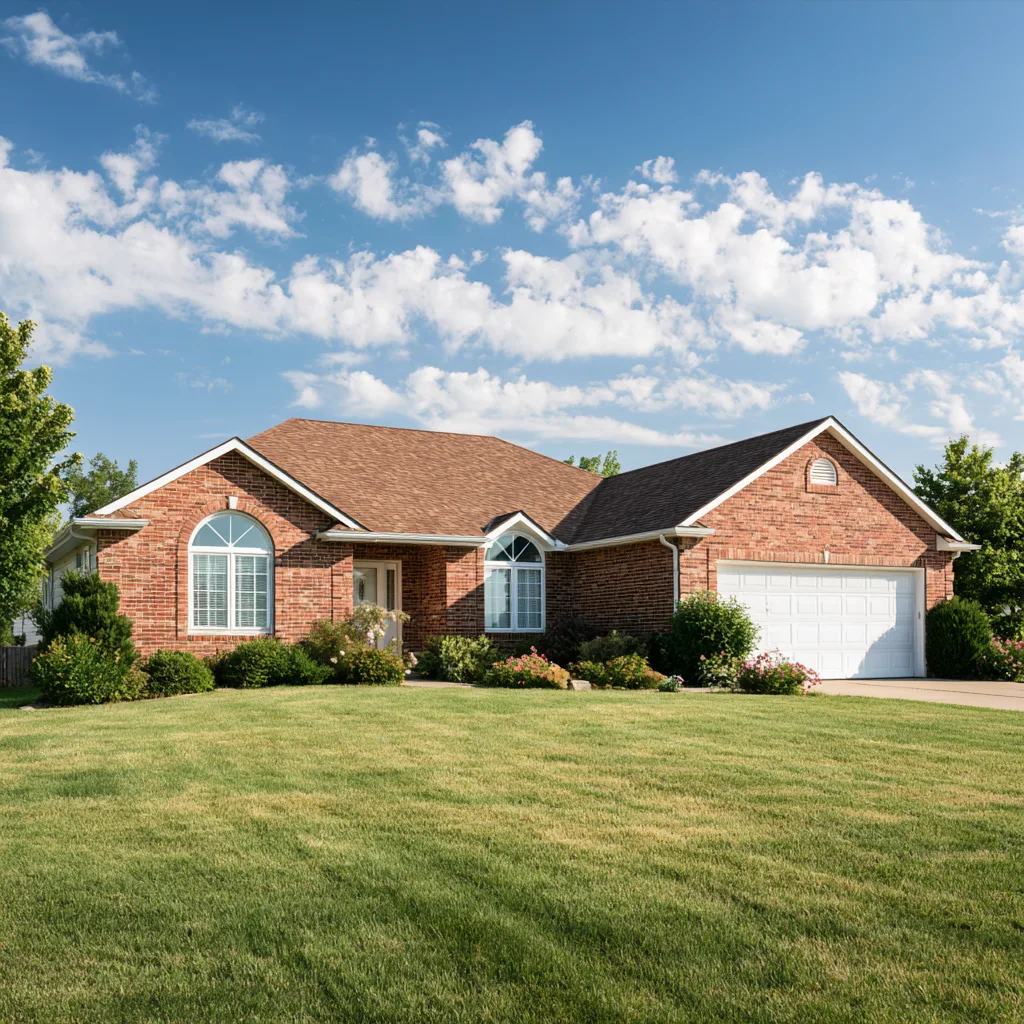
Red brick ranch home with arched windows and brown shingle roof

Cleburne Select Roofing

Discuss the system on your Cleburne building

Tell us the roof type if known and where problems appear inside. Our roofer can inspect the roof and discuss the assessment needed before choosing repair, restoration or replacement.

(817) 774-9404

Start with the building and the roof

Roof repair, replacement, storm damage or a question about the roof.

Call (817) 774-9404Request roofing help