Establish the base
The scope should state removal, deck work and the support required for the panel.
Cleburne, TX
Metal and asphalt have different costs, details and repair needs. The roof’s shape helps decide whether the change is worth considering.
Metal or asphalt
Pitch and geometry narrow the choices before color does. Our roofer can inspect the roof and discuss which panel system suits it.
The deck, underlayment and terminations beneath the panels are part of that decision. A Cleburne roofing price needs to account for them rather than compare two coverings by area alone.
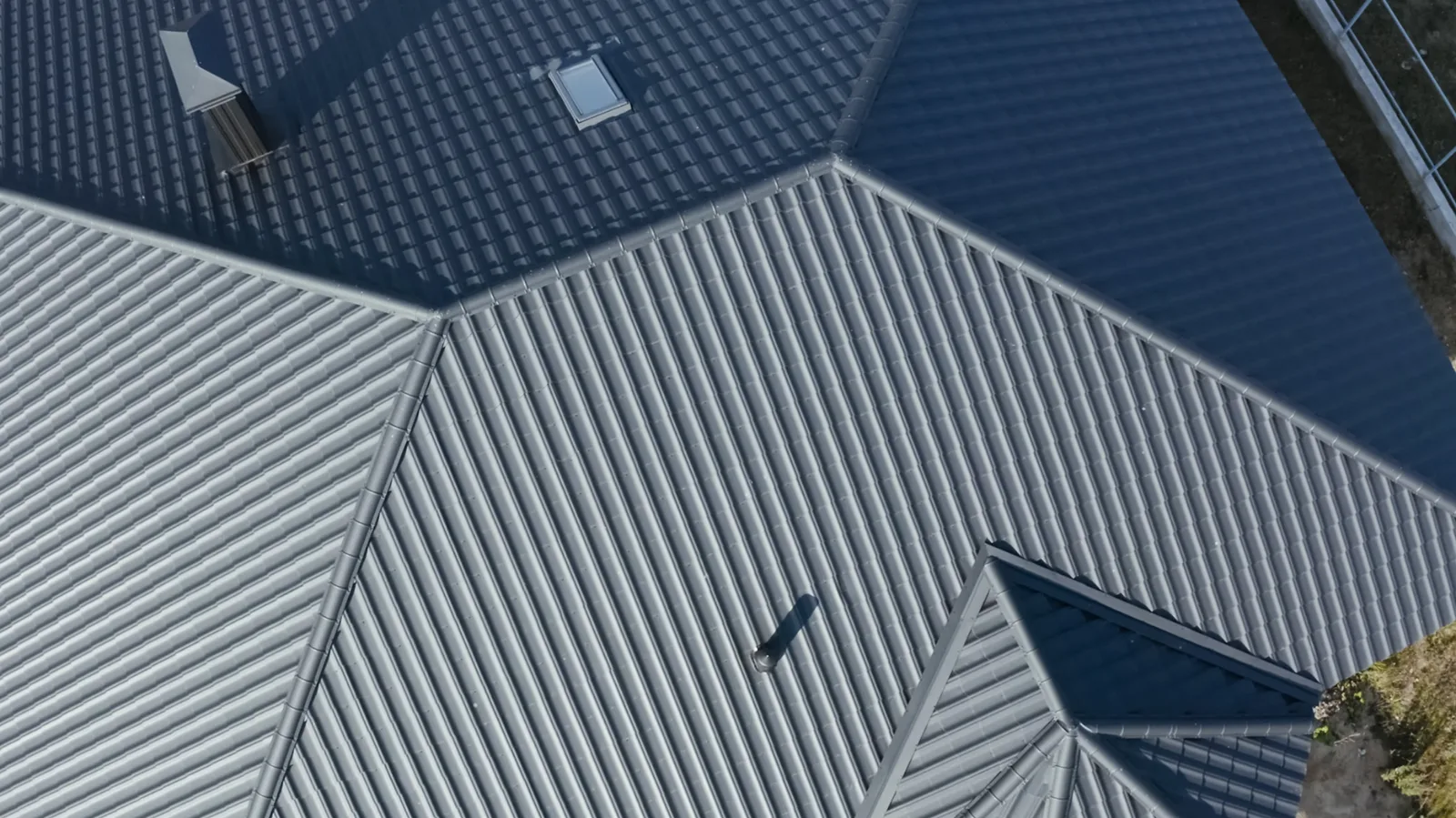
Two different roofs get quoted under the same word. Standing seam hides its clips under the panel so the metal can move with the heat, while exposed fastener drives screws and rubber washers through the face, where they're sitting in the sun.
Panels are formed to the length of your roof planes, so a long unbroken run means fewer seams and fewer places water's going to find.
Concealed clips can accommodate movement within a standing seam system. Exposed-fastener panels use screws through the face, so fastener and washer condition become maintenance items.
The panel system needs the support specified for it. On a residential solid deck, damaged or uneven sheathing must be addressed before panels conceal it.
A metal roof runs hot, so the layer beneath it is specified for that heat instead of for the lowest price on the sheet.
Ridges, valleys, eaves and penetrations need compatible trim and closure details. Their movement and water paths are part of the system.
A bid should say which of the two systems it's for. Until that's written down, two metal prices aren't comparing the same roof.
How it goes
Long panels and shaped trim need accurate measurements. The chosen system determines how panels are formed, supported and attached.
The scope should state removal, deck work and the support required for the panel.
The selected layer must suit the panel system, expected temperatures and installation instructions.
Long runs reduce some joints but need a suitable carrying path and attachment that accommodates movement.
Ridge, eave, valley and penetration details have to work with the panel profile and its slope limits.
The roof’s geometry, the chosen system and your priorities all matter when comparing metal with asphalt. These are useful questions to discuss before comparing the totals.
works in metal's favor. Long unbroken planes mean long panels, few cuts, and a price that lands nearer the bottom of its range.
require more transitions and flashing details. Both metal and asphalt need those connections planned; the installation methods and material handling differ.
changes the conversation. Shallow roofs hold water at the seams, so panel type and seam height aren't a matter of preference any more.
helps frame the financial comparison. The purchase price, maintenance and repair needs matter alongside how long you expect to own the property.
settle the look question. They're worth reading before you fall for a color, because they answer it before anybody's opinion does.
changes the math, because that cost lands on either roof either way, so it isn't a reason to pick one.
Compare the measured scope with an asphalt replacement when both systems fit the roof.
The gap
The DFW planning source used in the cost guide publishes standing seam at $12 to $25 per square foot and architectural shingles at $5 to $8. These bands describe different systems; they are not a guaranteed ratio for your house.
Metal’s potential service life does not guarantee that one installation will outlast a particular number of asphalt roofs. Material, exposure, detailing and maintenance affect that outcome.
See the cost ranges in fullValleys, hips and dormers add cuts and transitions. The selected panel system and the installer’s detail plan determine the work involved.
Standing seam costs more than exposed fastener and buys you concealed clips and no washers sitting in the sun.
Deck repair may be required with either covering. Keep it visible when comparing the options.
Long uninterrupted roof planes can simplify panel layout. Access, panel length and the chosen system still affect the installation price.
Ridge, eave, valley and pipe details are where the hours sit on a metal job, and where it holds or leaks.
Metal expands and contracts as its temperature changes. Clips, fasteners and terminations need to accommodate the movement expected by the selected system.
A panel held incorrectly can stress its attachment or joints as temperatures change.
Dents may be cosmetic, but a storm can also damage seams, coatings, flashing or the panel itself. Inspect performance as well as appearance.
An impact test rating is not a guarantee against real hail. Ask the insurer about cosmetic exclusions and any available product-specific discount before choosing a system.
Read the warranty guide alongside the exact manufacturer’s panel documents.
It can. The panel material, profile, thickness and impact affect the result. A dent alone may not cause leakage, while damaged seams or penetrations can change performance. Do not assume every dent is harmless or that every mark establishes insured damage.
A residential assembly with decking and insulation behaves differently from open barn roofing. Sound depends on the whole assembly. If noise matters to you, discuss the existing attic and proposed panel support with the roofer.
A face-fastened panel and an interlocking standing seam panel come apart differently. A repair can require opening neighboring seams or trim. Ask how the proposed system can be repaired and how an older finish might match a replacement panel.
Panel substrate, finish and installation can have separate terms and providers. Compare the exact documents, including exclusions for appearance or weather. The warranty guide explains the questions.
Compare two measured scopes for the same roof, including the base, flashing and ventilation work. Then consider the price difference, expected maintenance and how long you plan to keep the house. There is no universal payback date.
Cleburne Select Roofing
Tell us what covering you have and what you want to change. Our roofer can inspect the roof and discuss the panel options and work they would require.
(817) 774-9404